Childcare · 6 min read · 2025-01-15
CPR and First Aid Training for Childcare Centres
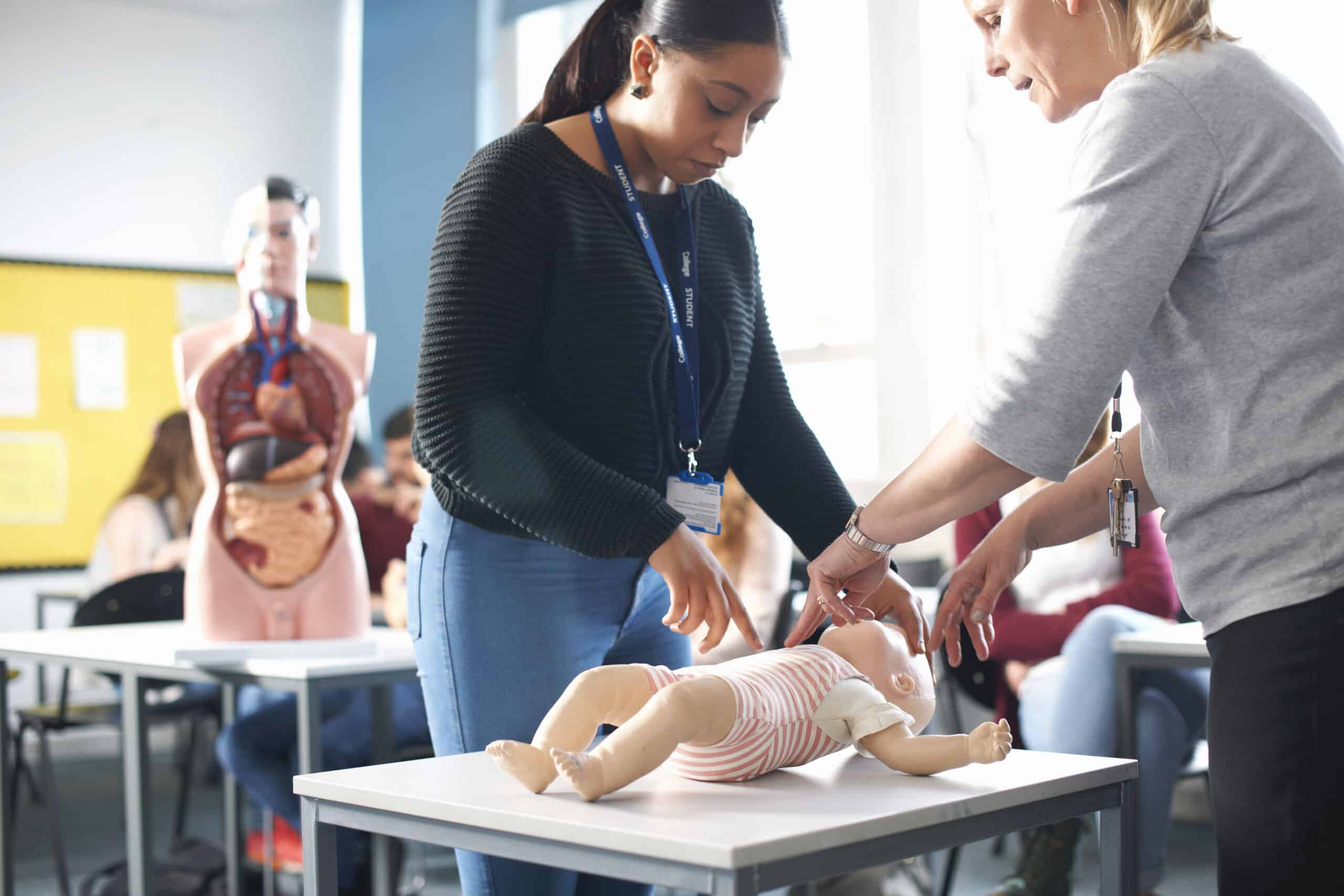
CPR, AED, Asthma & Anaphylaxis Training for Early Learning Environments
In a childcare setting, emergencies can happen without warning. From cardiac arrest to asthma attacks and severe allergic reactions, educators must be ready to act immediately. Although cardiac arrest in children is uncommon, it can occur -and adults onsite (educators, parents, visitors) may also require emergency care. Regular refresher training ensures educators remain confident and compliant with Australian guidelines.
Why CPR Training is Essential in Childcare
Childcare educators are often the first responders in a medical emergency. CPR training ensures staff can provide immediate life-saving intervention before paramedics arrive. Early CPR and AED use within the first few minutes can dramatically increase survival outcomes. Training builds genuine confidence so educators can act without hesitation in high-stress situations.
AED Training in Early Learning Centres
An Automated External Defibrillator (AED) is designed to be simple to use -but in a real emergency, confidence matters. Hands-on AED training helps childcare educators respond quickly, reduce panic, and use the device correctly. We recommend all early learning centres familiarise staff with the location and operation of their AED as part of regular training.
Asthma Management Training for Educators
Asthma is one of the most common chronic medical conditions in Australian children. Triggers in childcare settings may include exercise, allergens, weather changes, or respiratory infections. First aid training ensures staff can recognise symptoms early, administer a reliever inhaler correctly using a spacer, and know when to call 000. Prompt asthma management prevents escalation into life-threatening situations.
Anaphylaxis Training in Childcare Centres
Anaphylaxis is a rapid, severe allergic reaction that requires immediate adrenaline administration. Common triggers in early learning environments include peanuts, tree nuts, eggs, dairy, insect stings, and certain medications. Educators must be trained to confidently administer adrenaline using devices such as Epipen, Anapen, or JEXT. In an emergency, hesitation can cost critical minutes. Training reinforces recognition of anaphylaxis symptoms, correct adrenaline auto-injector technique, and when and how to call emergency services.
Neffy -Adrenaline Nasal Spray
Neffy offers an alternative method of delivering adrenaline via the nasal passage. While training and protocols remain essential, this innovation may improve accessibility and reduce anxiety around needle use in some settings. Childcare educators should stay informed about emerging treatment options to ensure best-practice care.
Meeting Compliance Requirements in Australia
Australian childcare regulations require that at least one qualified first aider is present at all times when children are in care. Training must align with the National Quality Framework (NQF) and relevant state and territory legislation. Horizon Training delivers nationally recognised first aid courses that satisfy these compliance requirements, including HLTAID012 -First Aid in Education and Care Settings.
Invest in Confidence. Invest in Safety.
Investing in regular first aid training isn't just about compliance -it's about creating a culture of safety in your centre. When educators feel prepared and confident, children, families, and the wider community can trust that they are in safe hands. Contact Horizon Training today to arrange a training session tailored specifically to your childcare centre.
Sources and further reading
- Education and Care Services National Regulations — ACECQA
- Anaphylaxis first aid — Allergy & Anaphylaxis Australia
- Asthma first aid — Asthma Australia