Safety · 6 min read · 2025-08-27
Surf and Beach Safety: First Aid Skills Every Coastal Australian Should Have
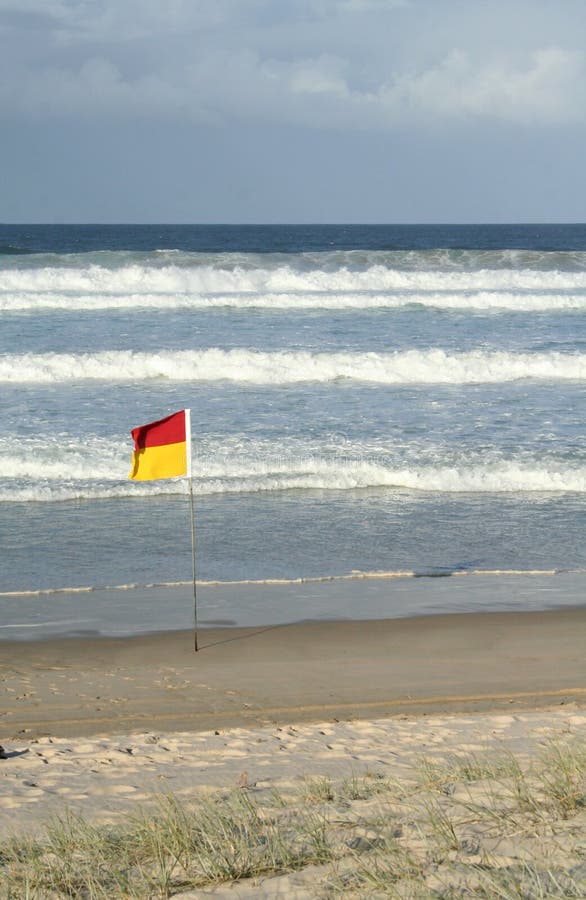
Living on the Sunshine Coast? These beach first aid skills could save a life
The Sunshine Coast is home to some of Australia's most beautiful beaches — and some of its most demanding surf conditions. Surf Life Saving Australia's 2024 annual report recorded over 600 coastal rescues in the Sunshine Coast region, with rip currents, dumper waves, and unexpected surges responsible for the majority of incidents. Understanding how to respond when something goes wrong at the beach is essential knowledge for anyone who spends time on the coast — which, living here, means all of us.
Rip Currents, Dumpers, and Submerged Hazards
Rip currents are the leading cause of drowning at Australian surf beaches. They appear as patches of darker, choppier, discoloured water, often with foam and debris on the surface moving seaward. A rip doesn't drag you under — it pulls you offshore. If caught in one, don't fight it by swimming directly back to shore. Float, raise your hand, and signal for help. When safe, swim parallel to the beach to escape the current, then swim to shore at an angle. Dumper waves break in shallow water with enormous force and can cause spinal injuries in seconds.
Recognising a Drowning Person
A drowning person does not look like the dramatic thrashing depicted in film. They are vertical in the water, unable to call out because their airway is barely above the surface, with arms pushing down at the sides rather than waving. They may appear calm, almost standing still. This is the drowning instinctive response — a physiological reaction that prevents signalling. If you see someone in the water who is unusually still and not making progress, they may be in distress.
Beach Rescue First Aid: Before the Lifeguard Arrives
Do not enter the water unless you are a trained water rescuer — a panicking drowning victim can incapacitate an untrained swimmer. Instead, throw anything that floats toward the person — a ball, foam board, or esky lid — or extend something they can grab: a towel, rope, or pool noodle. Once the person is out of the water, lay them on their back on a flat surface. If unresponsive and not breathing normally, begin CPR immediately. On a beach, sand is an adequate surface. Do not wait.
Spinal Injuries in the Surf: When Not to Move Someone
Diving into shallow water, being dumped by a wave, or being dragged across sand can all cause cervical spinal injuries. If a person is conscious in the water following a significant impact, support their head and neck in a neutral position and do not allow them to move until medical help arrives. In the water, keep their head above the surface. On land, lay them flat with head and neck supported and do not allow them to sit up or turn their head. Call 000 and await paramedics.
Training That Suits the Coast
Standard first aid training (HLTAID011) covers drowning response, CPR, and spinal injury management — skills that are directly relevant to life on the Sunshine Coast. Horizon Training delivers courses at locations across the region, including Coolum Beach, Noosa, Maroochydore, and beyond. If your surf club, sports team, or community group would benefit from a tailored beach safety session, contact us to discuss an onsite option.
Sources and further reading
- Beach safety — Surf Life Saving Australia
- National Coastal Safety Report — Surf Life Saving Australia
- ANZCOR Guideline 9.3.2: Resuscitation of the Drowning Victim — Australian and New Zealand Committee on Resuscitation