HLTAID009 – Provide Cardiopulmonary Resuscitation
Learn cardiopulmonary resuscitation (CPR) to respond confidently in emergencies. Nationally recognised. All training and assessment delivered on behalf of Allens Training RTO 90909.
- Price
- $60
- Duration
- Blended: Approximately 1 hour of practical face-to-face training, with online learning completed beforehand; Refresher: 1.5 hours — practical assessment and 20 questions, with no pre-course online learning required when a valid certificate is provided that expired no more than 30 days ago; Fully face-to-face: Approximately 2 hours — available on request
- Locations
- Coolum Beach, Noosa, Yandina, All Sunshine Coast locations
- Certificate
- Renewal: 12 months
Course overview
Cardiac arrest is a medical emergency that can lead to death. With urgent medical care to restart the heart, survival is possible.
Quick decision making is required to recognise and assess a cardiac emergency, call for medical assistance and perform Cardiopulmonary Resuscitation (CPR) procedures which will increase the chance of survival for a person who is unconscious and not breathing normally.
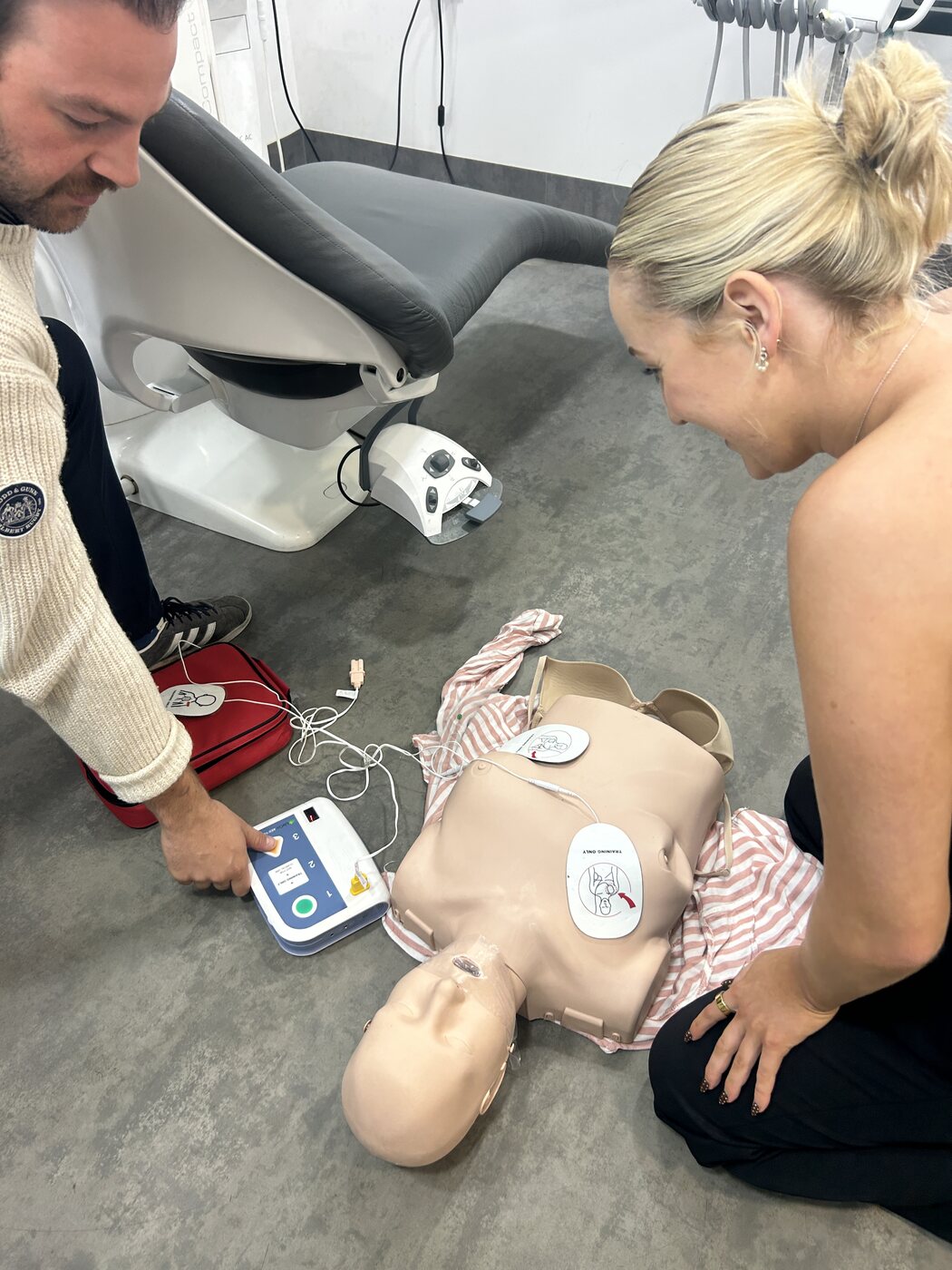
In this CPR course, you will learn these skills, in line with the Australian Resuscitation Council guidelines, including using an automated external defibrillator (AED), how to rotate first aiders with minimal interruptions to compressions, and what to do if the casualty regurgitates or vomits.
The course also covers conveying accurate incident details when handing the casualty over to emergency services, how to review an incident, to recognise any psychological impacts on self and other rescuers, to seek help if required and for improvement of own personal skills and response times.
Units included
- HLTAID009 – Provide cardiopulmonary resuscitation
Assessment requirements
- Perform CPR on an adult (incl. the use of an AED and placing a casualty into the recovery position)
- Perform CPR on an infant
- Theory assessment: A written assessment consisting of multiple-choice questions.
Entry requirements
- An official form of photo identification (e.g., driver’s licence, passport, or student ID).
- Physical capability to meet the demands of the practical demonstration skills, including CPR.
- Learning: Follow instructions, ask for help, and learn from feedback.
- Reading: Read short texts such as signs and step-by-step instructions.
- Writing: Write short notes or fill out a simple form.
- Oral communication: Listen carefully and speak clearly in a classroom environment.
- Numeracy: Count and use simple numbers.
- Digital literacy: Use a mobile phone or basic device to read messages, follow online instructions, complete online forms, or access learning resources.